

Melanotan 2
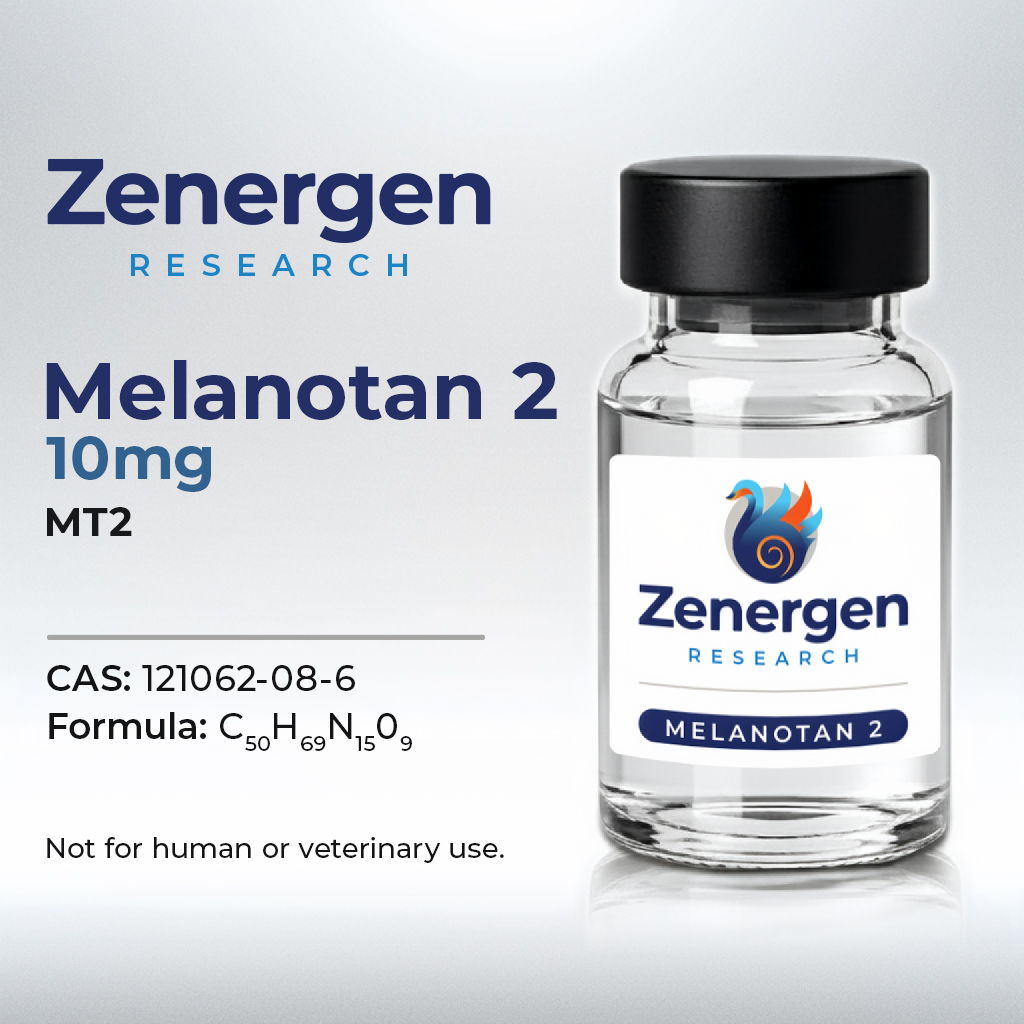
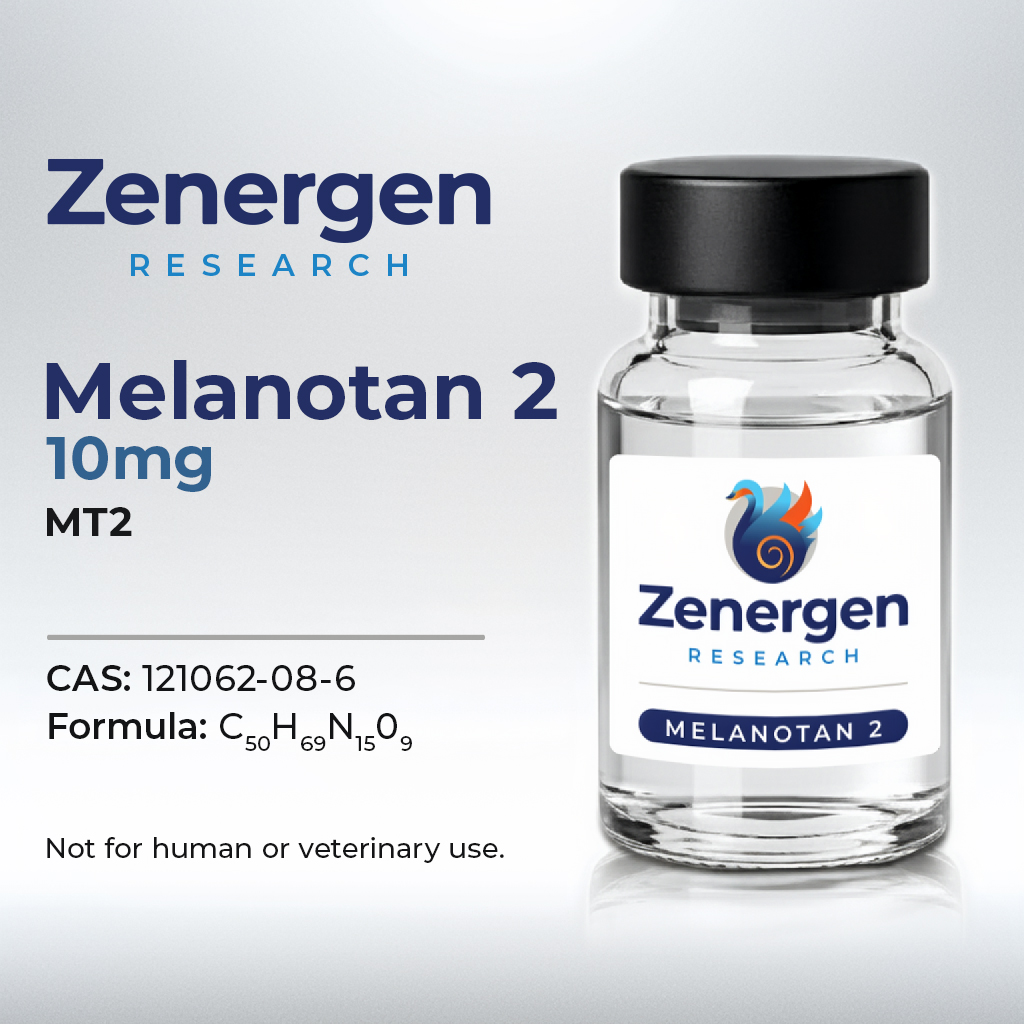
Melanotan
$60.00
Quantity
Description
This innovative peptide represents a significant advance in dermatological and photoprotective research. Melanotan 2 acts through melanocortin receptor pathways under investigation, stimulating melanin production that enhances skin pigmentation, UV defense, and cellular resilience. Beyond its protective influence, Melanotan supports systemic recovery by reducing oxidative stress and promoting adaptive responses to environmental exposure.
Its targeted mechanism of action not only strengthens photoprotective potential but also opens new directions for studying tissue repair and regenerative adaptation. Researchers value Melanotan for its capacity to mimic natural tanning and protective benefits at the molecular level, positioning it as a key candidate in investigations of pigmentation disorders, photoprotection, and performance optimization under environmental stress.
Additional Information
Weight: 0.08 lbs
Dimensions: 0.87 × 1.18 × 0.87 in
Size: 5mg, 10mg
This product is intended solely for research purposes. It is not authorized for use in humans or animals and should only be handled by trained personnel in appropriate laboratory settings.
Highlights
Biochemical Profile
Stability : Stable lyophilized, refrigerated.
Solubility: Water, saline.
Storage Conditions: Store at 36‑46 °F (2‑8 °C)
Form: White/off‑white powder
Structural Properties
CAS: 75921‑69‑6
Molecular Mass: 1646.85 g/mol
Composition: C₇₈H₁₁₁N₂₁O₁₉
Architecture: Linear peptide of 13 amino acids
Biological Mechanism
Melanotan 2 functions as a synthetic analog of α‑MSH, activating melanocortin receptors to stimulate melanin synthesis and photoprotective signaling. This cascade enhances pigmentation, supports UV defense, and contributes to cellular resilience and tissue adaptation.
Key Mechanisms
MC1R Engagement
Binds selectively to melanocortin‑1 receptors in melanocytes.
cAMP Cascade
Elevates intracellular cAMP, triggering protein kinase A activity.
MITF Induction
Promotes expression of microphthalmia‑associated transcription factor.
Pigment Synthesis
Activates tyrosinase and key melanogenic enzymes.
Metabolic Benefits
UV Defense
Increased melanin formation enhances natural photoprotection.
Genomic Repair
May support nucleotide excision repair pathways.
Anti‑inflammatory Effect
Dampens production of pro‑inflammatory cytokines
Research Highlights
Investigational studies have identified multiple prospective roles for Melanotan 2 in pigmentation enhancement and photoprotective resilience:
Photoprotection Investigations
Main research emphasis on UV defense:
• Elevated melanin levels without direct UV exposure
• Lower presence of UV‑induced DNA damage indicators
• Protective outcomes in photosensitivity models
• Lasting photoprotective effects post‑treatment
Anti‑inflammatory Properties
Emerging immune‑modulating activity:
• Decreased TNF‑α and IL‑1β release
• Inhibition of NF‑κB signaling
• Beneficial impact in inflammatory disease models
• Potential relevance in autoimmune studies
Neuroprotective Insights
Unexpected CNS‑related findings:
• Safeguards neurons from oxidative stress
• Reduction of neuroinflammatory markers
• Possible utility in neurodegenerative conditions
• Improved recovery in stroke models
Clinical Applications
Translational research outcomes:
• Studies in erythropoietic protoporphyria
• Investigations on polymorphous light eruption
• Repigmentation approaches in vitiligo
• Photoprotection in solar urticaria
Possible Research-Related Effects
Melanotan 2 exhibits favorable tolerability in research contexts, with minor and short‑duration effects occasionally reported:
Transient Flushing
Short‑lived vasodilatory response affecting facial skin
Low‑grade Fatigue
Reports of mild tiredness in limited studies.
Pigment Alterations
Expected increase in skin darkening and melanocytic nevus activity.
Mild Gastrointestinal
Occasional transient nausea observed in certain subjects.
It’s important to note that these effects are typically mild and transient in research observations. However, comprehensive long-term safety data is still being collected.
Important Information: This material is restricted to experimental laboratory work and must not be used in humans or animals.
References
Afamelanotide in protoporphyria and other skin diseases: comprehensive review. Skin Health Dis, 2024. — Polańska A.
Into the light: afamelanotide and the treatment of erythropoietic protoporphyria in the United States. J Drugs Dermatol, 2023. — Resnik SR, Targett D, Resnik BI.
Afamelanotide for treatment of the protoporphyrias: impact on quality of life and laboratory parameters in a US cohort. Life (Basel), 2024. — Leaf RK, et al.
Afamelanotide for prevention of phototoxicity in erythropoietic protoporphyria. Expert Rev Clin Pharmacol, 2021. — Wensink D, Wagenmakers M, Langendonk JG.
Afamelanotide for erythropoietic protoporphyria. N Engl J Med, 2015. — Langendonk JG, et al.
α‑Melanocyte‑stimulating hormone: a protective peptide against chemotherapy‑induced hair follicle damage? Br J Dermatol, 2014. — Böhm M, Bodó E, Funk W, Paus R.

About Us
Zenergen Research Products is committed to supplying high-purity peptides intended for research use, with an emphasis on quality control and dependable delivery.
Contact Us
Copyright© 2026 Zenergen Research - All Rights Reserved.
All products offered by Zenergen are intended strictly for laboratory research purposes only. These compounds are not authorized for human or veterinary use and must be handled exclusively by qualified professionals in controlled research environments. They are not intended for diagnostic, therapeutic, or clinical applications. Statements made on this website have not been evaluated by the U.S. Food and Drug Administration.