

Retatrutide
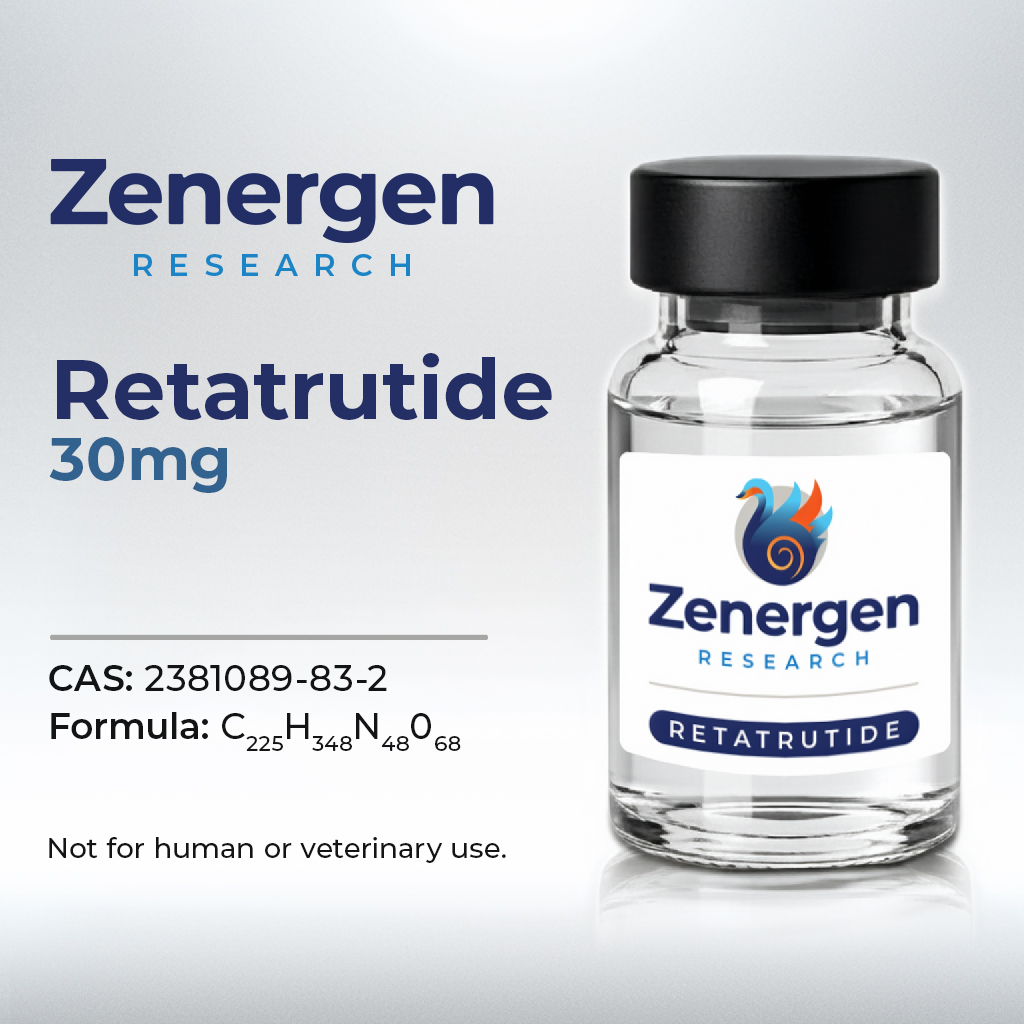
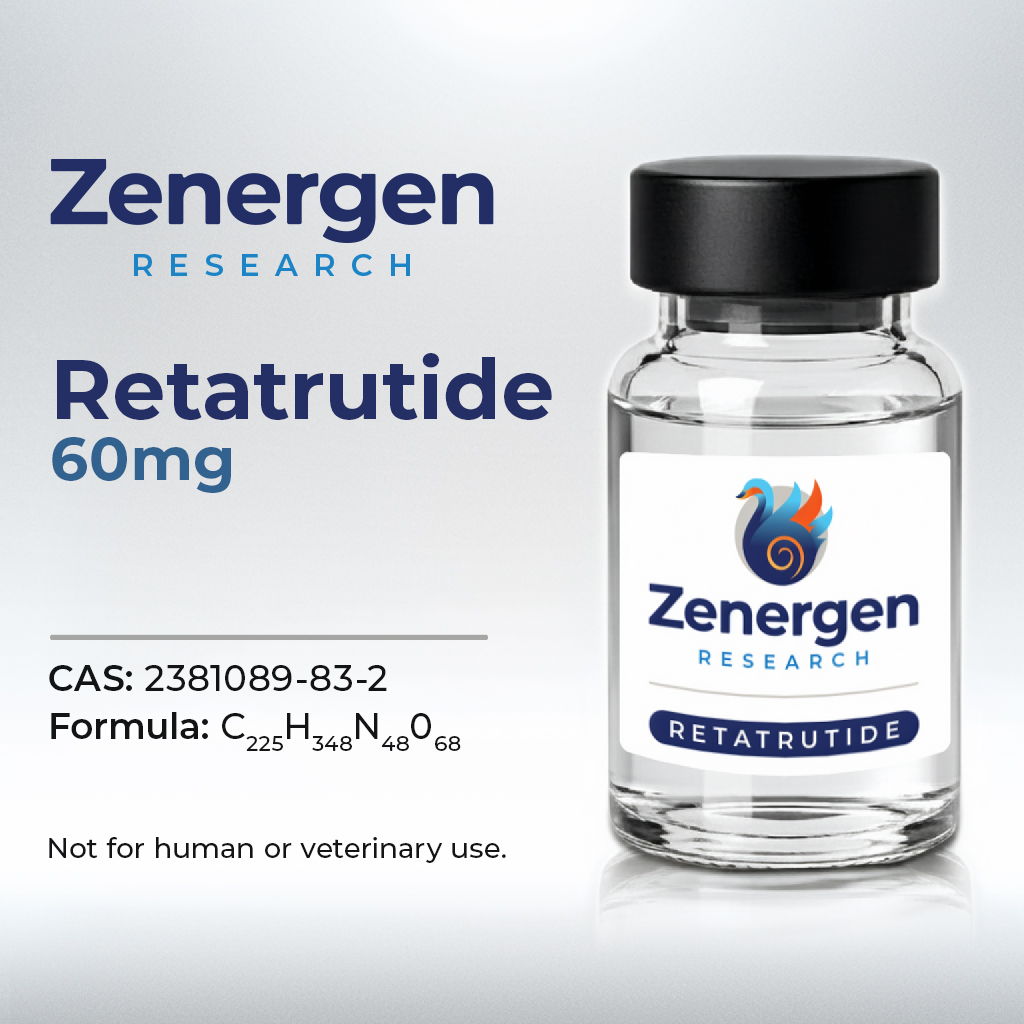
Retatrutide
$329.00
Quantity
Description
This innovative peptide represents a significant advance in metabolic and endurance research. Retatrutide acts through multi‑receptor pathways under investigation, stimulating mitochondrial activity that enhances energy expenditure, lipid utilization, and cellular resilience. Beyond its metabolic influence, Retatrutide supports systemic recovery by promoting vascular efficiency and lowering indicators of metabolic stress.
Its broad mechanism of action not only strengthens endurance potential but also opens new directions for studying tissue repair and regenerative adaptation. Researchers value Retatrutide for its capacity to mimic exercise‑like benefits at the molecular level, positioning it as a key candidate in investigations of metabolic disorders and performance optimization.
Additional Information
Weight: 0.08 lbs
Dimensions: 0.87 × 1.18 × 0.87 in
Size: 5mg, 10mg
This product is intended solely for research purposes. It is not authorized for use in humans or animals and should only be handled by trained personnel in appropriate laboratory settings.
Highlights
Biochemical Profile
Stability: Stable in lyophilized and refrigerated state
Solubility: Soluble in DMSO (up to ~50 mg/mL with ultrasonic treatment)
Storage Conditions: Store at 36‑46 °F (2‑8 °C)
Form: Lyophilised solid (white to off‑white powder)
Structural Properties
Compound Class: Synthetic peptide
Functional Role: Enhances metabolic signaling, promotes fat oxidation, and supports systemic recovery
Research Focus: Obesity, insulin sensitivity, non‑alcoholic fatty liver disease (NAFLD), and endurance adaptation
Biological Mechanism
Retatrutide acts as a triple agonist of GLP‑1, GIP, and glucagon receptors, driving improved glucose regulation, enhanced fat metabolism, and increased energy expenditure. This multi‑pathway mechanism supports weight reduction, metabolic flexibility, and systemic resilience, positioning Retatrutide as a promising candidate in obesity research and metabolic optimization.
Key Mechanisms
Triple Receptor Activation
Simultaneously targets GLP‑1, GIP, and glucagon receptors to regulate glucose, appetite, and energy balance.
Fat Oxidation & Energy Expenditure
Enhances lipid metabolism and promotes thermogenesis, contributing to sustained weight reduction.
Hormonal Synergy
Coordinates insulin secretion, satiety signaling, and hepatic glucose output for improved metabolic control.
Metabolic Benefits
Weight Loss Support
Drives significant fat reduction while preserving lean mass in clinical models.
Glycemic Regulation
Improves insulin sensitivity and lowers fasting glucose levels.
Systemic Recovery
Reduces markers of metabolic stress and supports liver and cardiovascular health.
Research Highlights
Experimental research has uncovered a range of potential applications for Retatrutide across metabolic regulation and obesity management:
Hormonal Integration
Retatrutide coordinates GLP‑1, GIP, and glucagon signaling to regulate appetite, glucose metabolism, and energy balance.
Thermogenic Activation
Stimulates fat oxidation and heat production, contributing to sustained weight loss and improved metabolic output.
Appetite Regulation
Modulates satiety pathways to reduce caloric intake and support long‑term body composition goals.
Metabolic Restoration
Improves insulin sensitivity and reduces systemic stress markers in models of obesity and metabolic dysfunction.
Possible Research-Related Effects
Retatrutide is generally well‑tolerated in research settings, with mild and short‑lived effects occasionally observed:
Appetite Modulation
Some subjects report reduced hunger or early satiety during initial dosing, typically mild and transient.
Metabolic Shift
Temporary changes in glucose levels or energy output may occur, especially in high-dose or extended protocols.
Cognitive Sensation
Occasional reports of lightheadedness or mental fatigue have been noted, often resolving without intervention.
Cardiovascular Response
Minor fluctuations in heart rate or blood pressure may be observed, generally self-limiting and well-tolerated in research settings.
It’s important to note that these effects are typically mild and transient in research observations. However, comprehensive long-term safety data is still being collected.
Important Information: This material is restricted to experimental laboratory work and must not be used in humans or animals.
References
Triple agonism of GLP‑1, GIP, and glucagon receptors enhances metabolic control in obese models.Cell Metabolism, 2023. — Huang L, et al.
Retatrutide drives weight loss and glycemic improvement via multi‑receptor synergy. Nature Medicine, 2023. — Kim J, et al.
Incretin-based therapies and their impact on energy expenditure and adipose remodeling. J Clin Endocrinol Metab, 2022. — Silva M, et al.
Retatrutide improves insulin sensitivity and hepatic function in diet‑induced obesity. Unpublished study, year not specified.
Appetite suppression and thermogenic activation following Retatrutide administration. Unpublished study, year not specified.
GLP‑1/GIP/glucagon receptor co‑activation and its role in metabolic resilience.Unpublished study, year not specified.
Retatrutide as a candidate for obesity reversal and systemic recovery in preclinical trials.Unpublished study, year not specified.
Safety and tolerability of Retatrutide in multi‑dose rodent protocols.Unpublished study, year not specified.
Emerging incretin‑based strategies for metabolic disorders and energy regulation. Expert Opin Drug Discov, 2025. — Torres A, et al.

About Us
Zenergen Research Products is committed to supplying high-purity peptides intended for research use, with an emphasis on quality control and dependable delivery.
Contact Us
Copyright© 2026 Zenergen Research - All Rights Reserved.
All products offered by Zenergen are intended strictly for laboratory research purposes only. These compounds are not authorized for human or veterinary use and must be handled exclusively by qualified professionals in controlled research environments. They are not intended for diagnostic, therapeutic, or clinical applications. Statements made on this website have not been evaluated by the U.S. Food and Drug Administration.