

TB-500
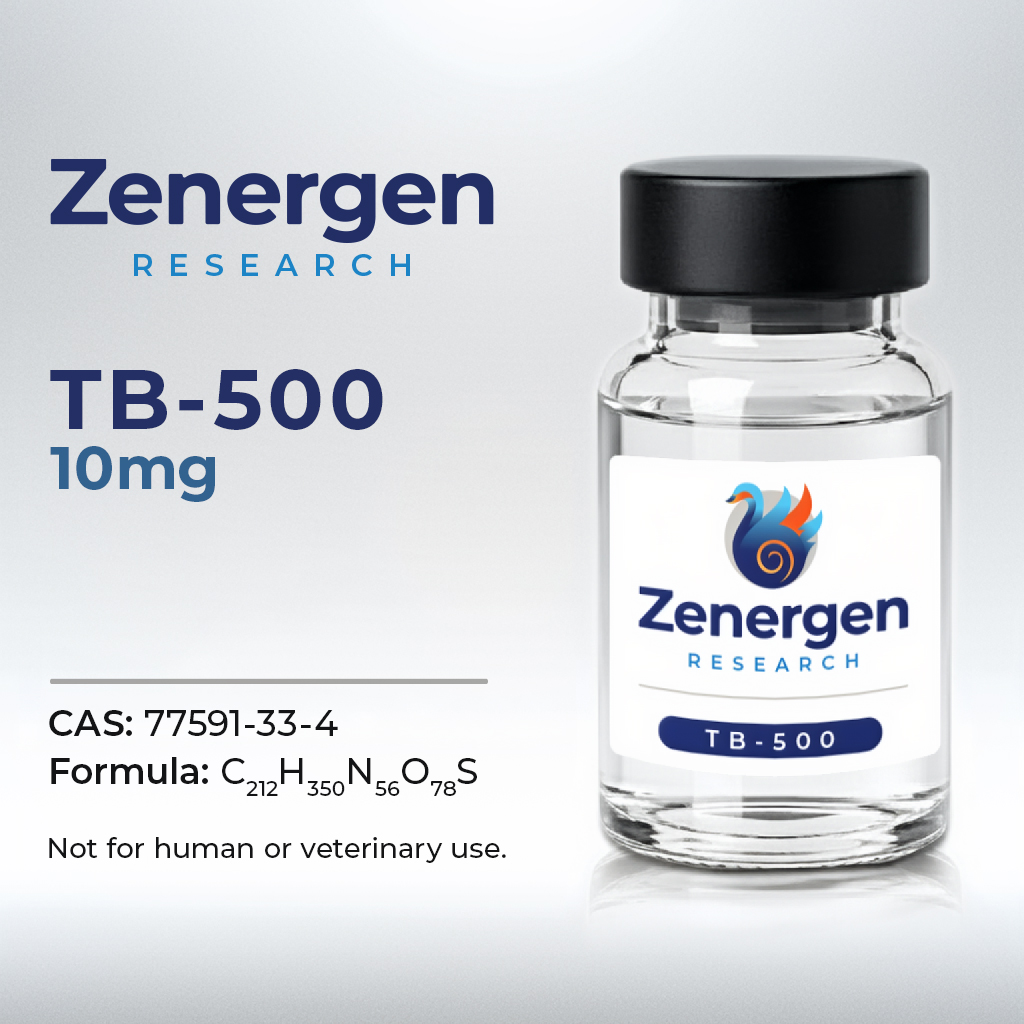
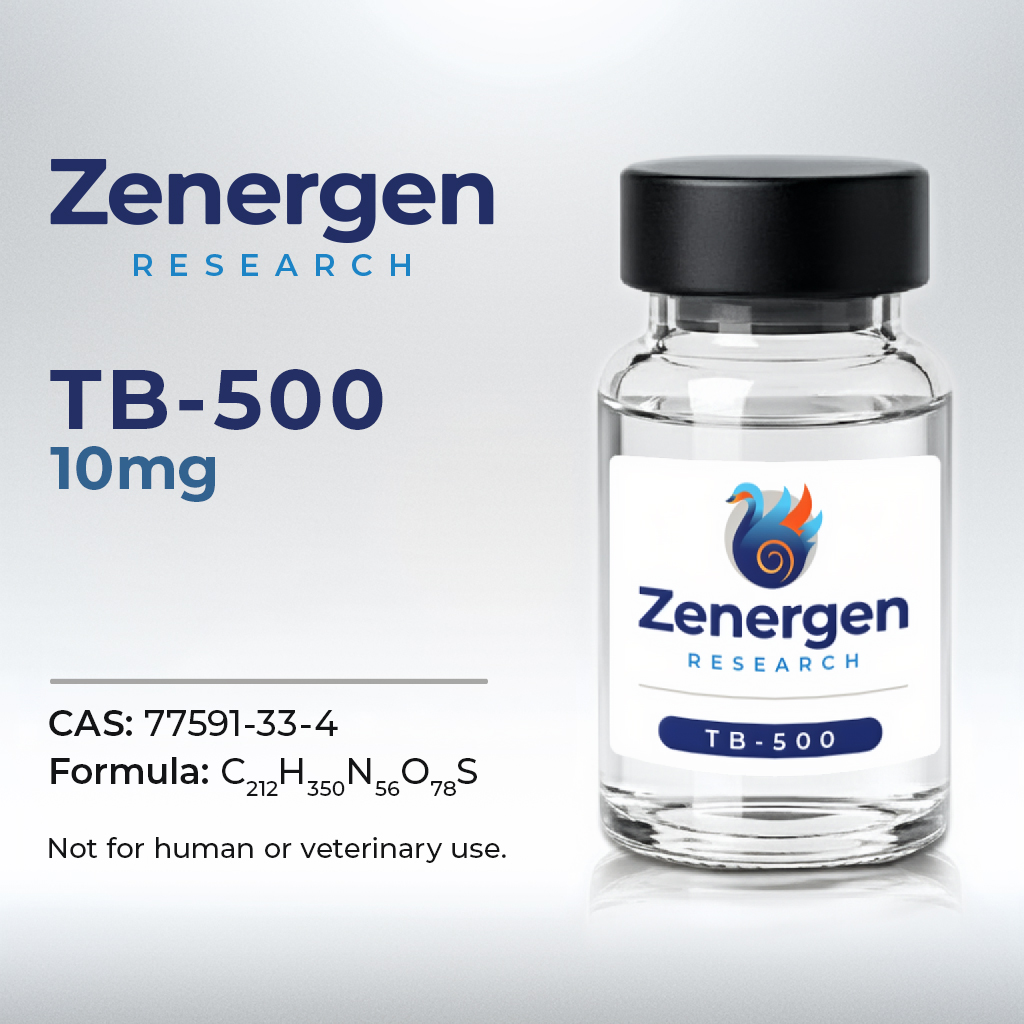
TB-500
$75.00
Quantity
Description
TB‑500, a laboratory‑engineered analogue of Thymosin Beta‑4, acts as a coordinator of cellular repair in research environments. Much like a project manager directing teams to restore a structure, TB‑500 is thought to regulate multiple biological pathways linked to tissue regeneration and recovery. This compound has drawn significant interest from scientists due to its broad potential in wound‑healing and restorative processes observed in experimental studies.
Identified originally as part of the thymus gland’s natural peptide activity, TB‑500 offers a focused perspective on how the body organizes repair mechanisms. This material is provided solely for laboratory investigation and is not intended for human or veterinary use.
Additional Information
Weight: 0.08 lbs
Dimensions: 0.87 × 1.18 × 0.87 in
Size: 5mg, 10mg
This product is intended solely for research purposes. It is not authorized for use in humans or animals and should only be handled by trained personnel in appropriate laboratory settings.
Highlights
Structural Properties
Appearance: White to pale off‑white powder
Solubility: Easily dissolves in aqueous solutions
Storage Conditions: Preserve at freezing temperatures for extended stability
Form: Presented as a freeze‑dried preparation
Biochemical Profile
Chemical Formula: C₂₁₂H₃₅₀N₅₆O₇₈S
Molecular Weight: 4963.4 g/mol
CAS: 77591‑33‑4
Structure: Peptide composed of 43 amino acids
Biological Mechanism
TB‑500 exerts its effects mainly by interacting with actin, a structural protein within cells. Actin functions much like an internal framework or transport network, enabling cells to move and reorganize. By binding to actin, TB‑500 supports the formation and stabilization of these cellular pathways, facilitating the movement of repair cells toward sites of tissue damage and aiding regenerative processes.
Key Mechanisms
Actin Assembly
Supports the linking of actin molecules into stable cellular frameworks
Enhanced Cell Mobility
Encourages repair cells to travel efficiently toward damaged tissues
Metabolic Benefits
Gene Activity Modulation
Influences the expression of genes tied to inflammatory responses
Stimulation of Angiogenesis
Assists in the development of new blood vessels
Tissue Reconstruction
Guides the processes of tissue healing and structural remodeling
Research Highlights
Experimental research has highlighted diverse potential applications of TB‑500, showcasing its wide‑ranging influence on tissue regeneration and cellular activity.
Wound Healing Support
Experimental findings suggest TB‑500 can speed up closure of wounds through several pathways:
• Improved movement of keratinocytes (skin cells)
• Elevated fibroblast activity leading to collagen synthesis
• Activation of angiogenesis to deliver nutrients
• Development of new vascular networks
Anti‑Inflammatory Action
Research shows TB‑500 may balance immune responses by modulating cytokine activity:
• Lower production of pro‑inflammatory cytokines
• Higher levels of anti‑inflammatory cytokines
• A regulated approach to inflammation control
• Positive outcomes in experimental inflammation models
Hair Growth Potential
Studies have noted TB‑500’s influence on hair follicle dynamics and growth phases:
• Enlargement of hair follicles
• Support for transition from telogen to anagen phase
• Deeper insight into hair growth biology
• Possible relevance in alopecia investigations
Neuroprotective Properties
Laboratory work has examined TB‑500’s role in safeguarding neural tissue:
• Reduction of neuroinflammatory markers
• Decline in oxidative stress indicators
• Limited cell death in stressed neurons
• Potential applications in neurodegeneration research
Cardiovascular Research Benefits
In cardiac models, TB‑500 has shown notable protective outcomes:
• Smaller infarct areas after simulated myocardial injury
• Enhanced overall heart performance
• Stimulation of new vessel formation in damaged regions
• Improved repair of cardiac tissue
Possible Research-Related Effects
Although TB‑500 is intended solely for laboratory investigation, experimental data have reported certain reactions in study models:
Localized Responses
• Irritation or sensitivity noted at administration sites during controlled trials
Neurological Observations
• Occasional reports of headaches and episodes of dizziness in research subjects
Systemic Outcomes
• Instances of nausea and general fatigue documented within laboratory settings
All findings originate from controlled laboratory settings and are not intended as recommendations for human application.
Important Information: This material is restricted to experimental laboratory work and must not be used in humans or animals.
References
Thymosin beta-4 denotes new directions towards developing prosperous anti-aging regenerative therapies. Int Immunopharmacol, 2023.
Thymosin beta-4 improves endothelial function in diabetic endothelial cells via stem cell therapy. Stem Cell Res Ther, 2022.
Thymosin beta-4: A potential tool in healing middle ear lesions in adult mammals. Int Immunopharmacol, 2023.
Thymosin β4 preserves vascular smooth muscle phenotype in atherosclerosis via LRP1 regulation. Int Immunopharmacol, 2023.
Protective effects of thymosin β4 against ethanol injury in corneal keratocytes. BMC Ophthalmol, 2022.

About Us
Zenergen Research Products is committed to supplying high-purity peptides intended for research use, with an emphasis on quality control and dependable delivery.
Contact Us
Copyright© 2026 Zenergen Research - All Rights Reserved.
All products offered by Zenergen are intended strictly for laboratory research purposes only. These compounds are not authorized for human or veterinary use and must be handled exclusively by qualified professionals in controlled research environments. They are not intended for diagnostic, therapeutic, or clinical applications. Statements made on this website have not been evaluated by the U.S. Food and Drug Administration.