

TZP
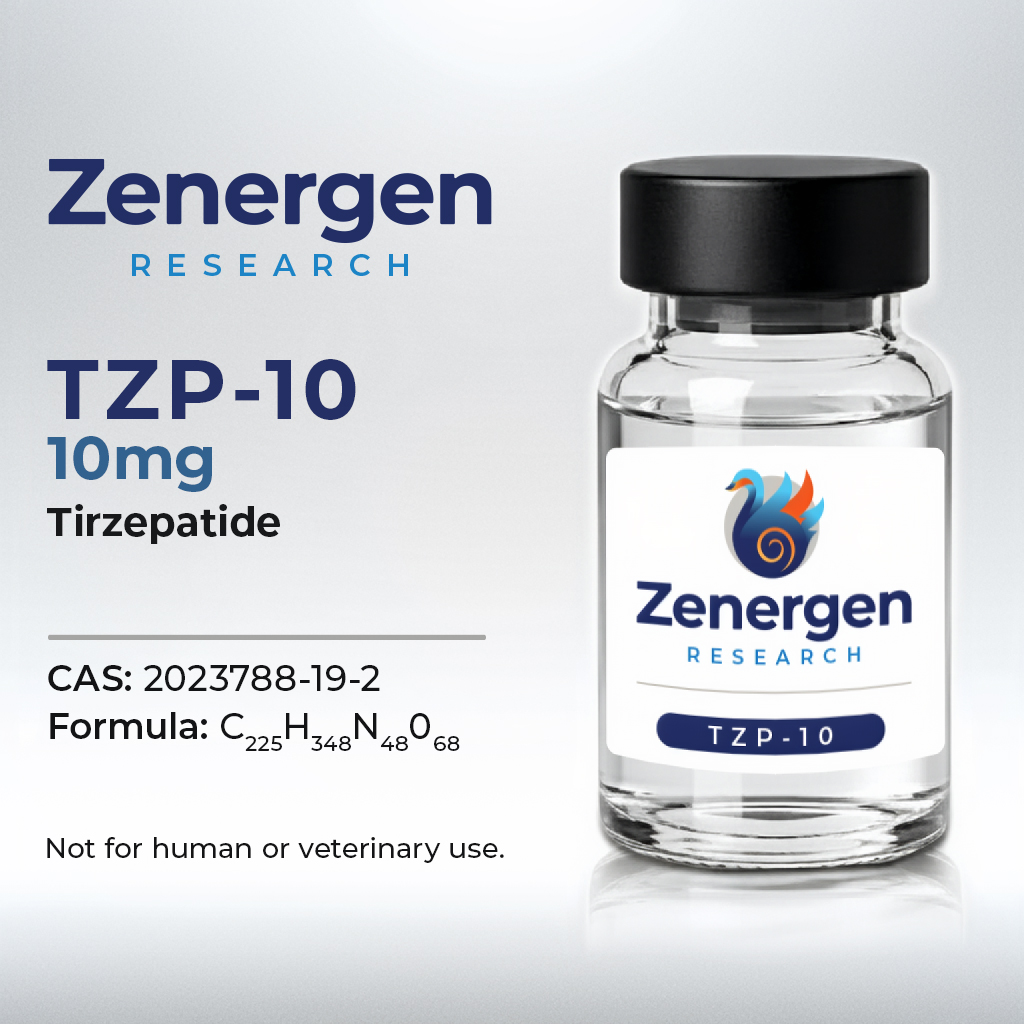
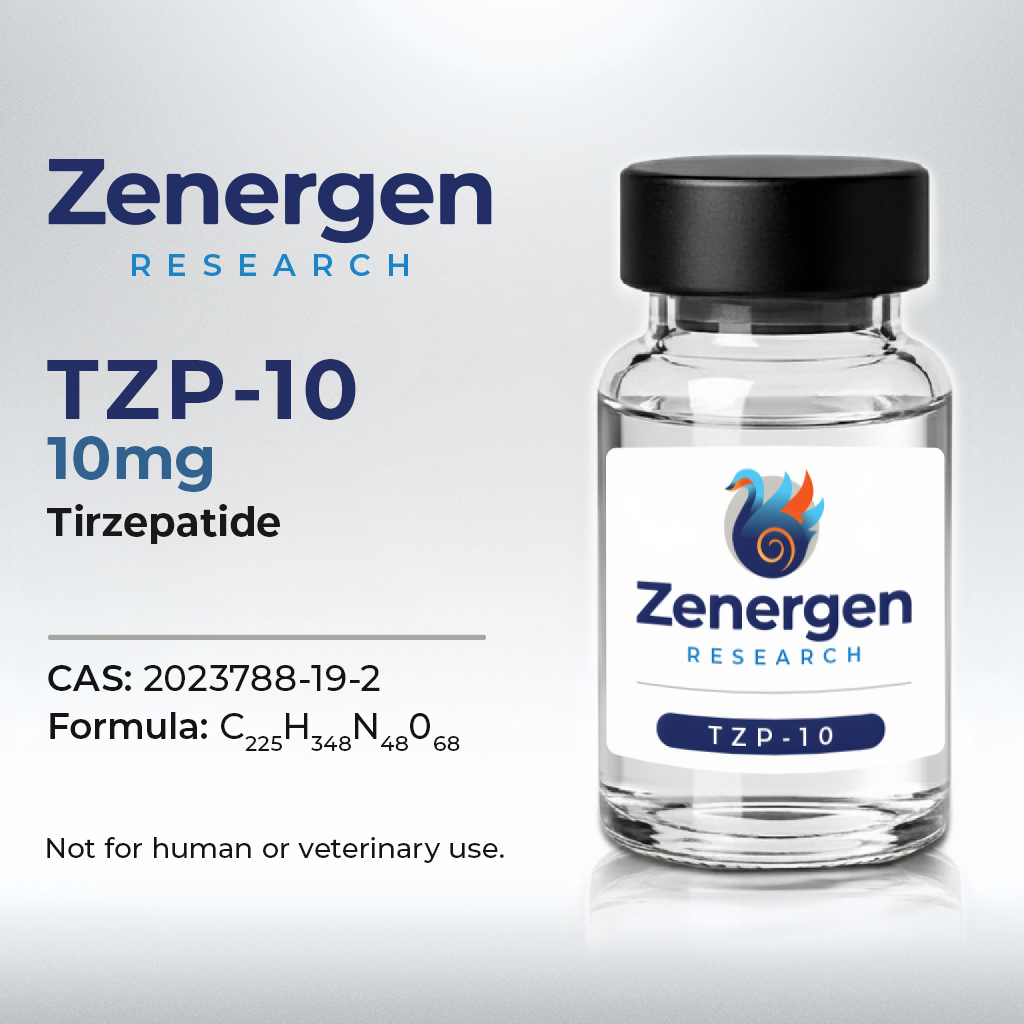
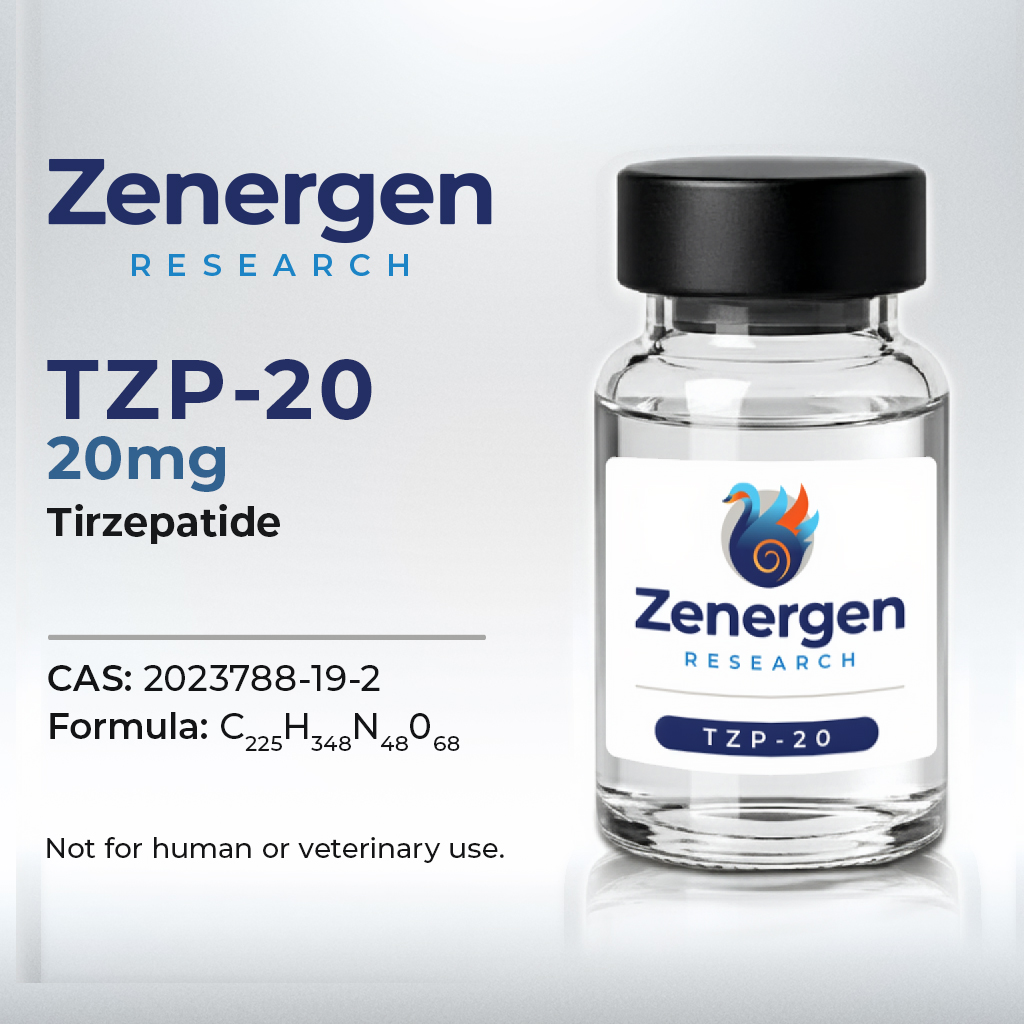
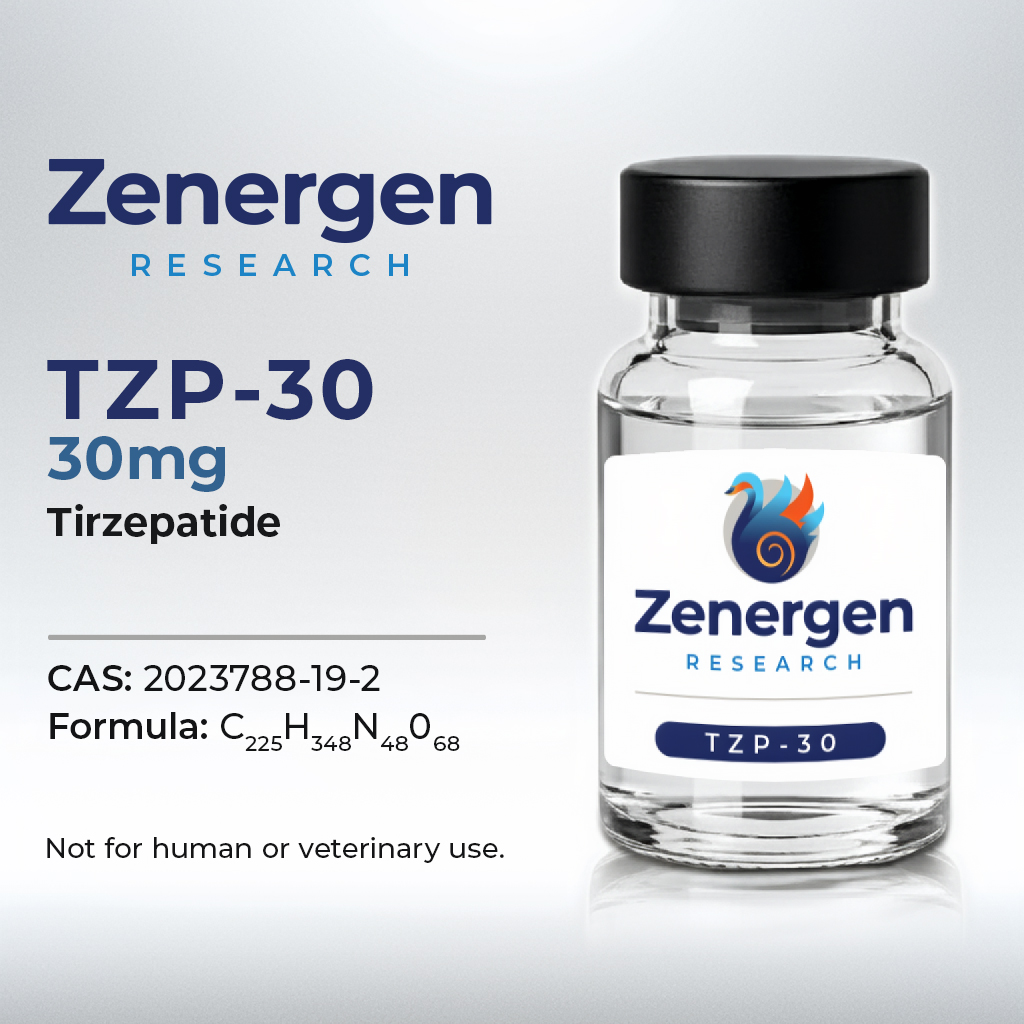
TZP
$230.00
Quantity
Description
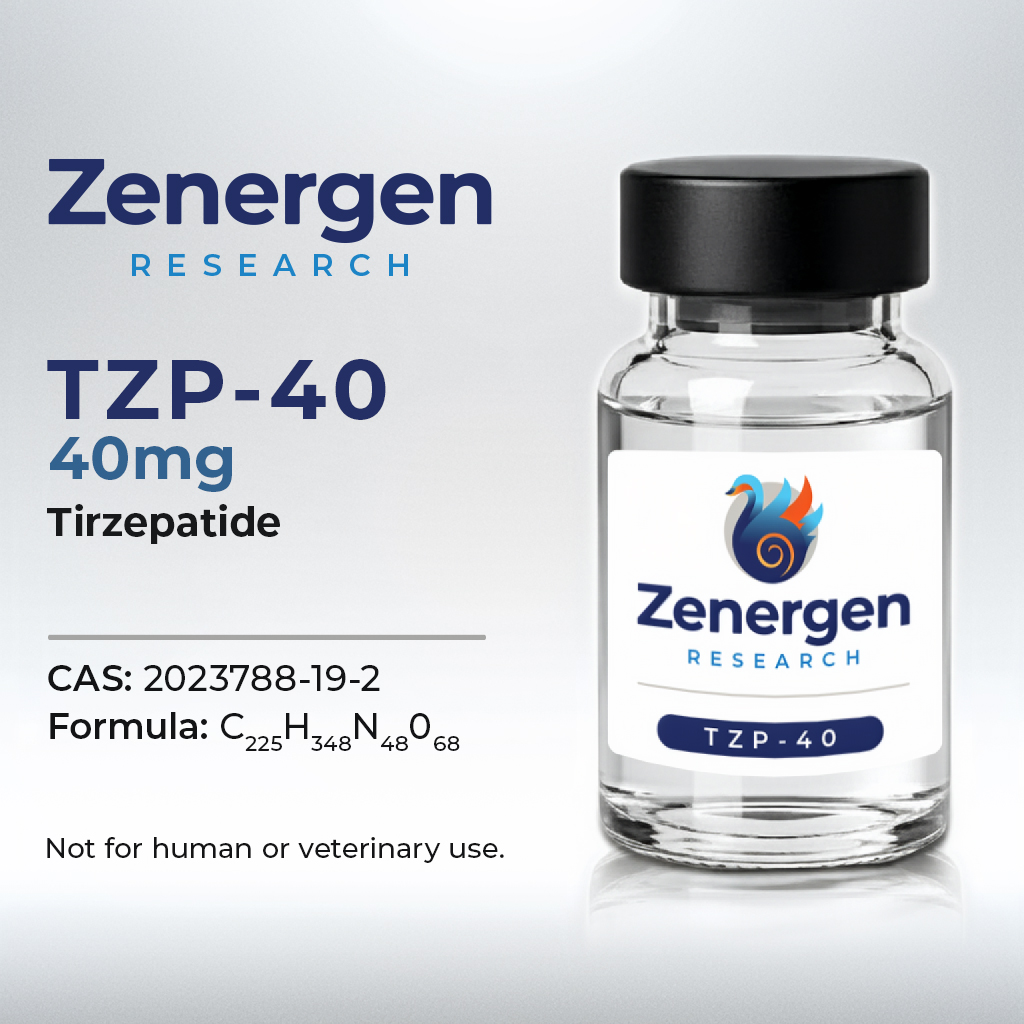
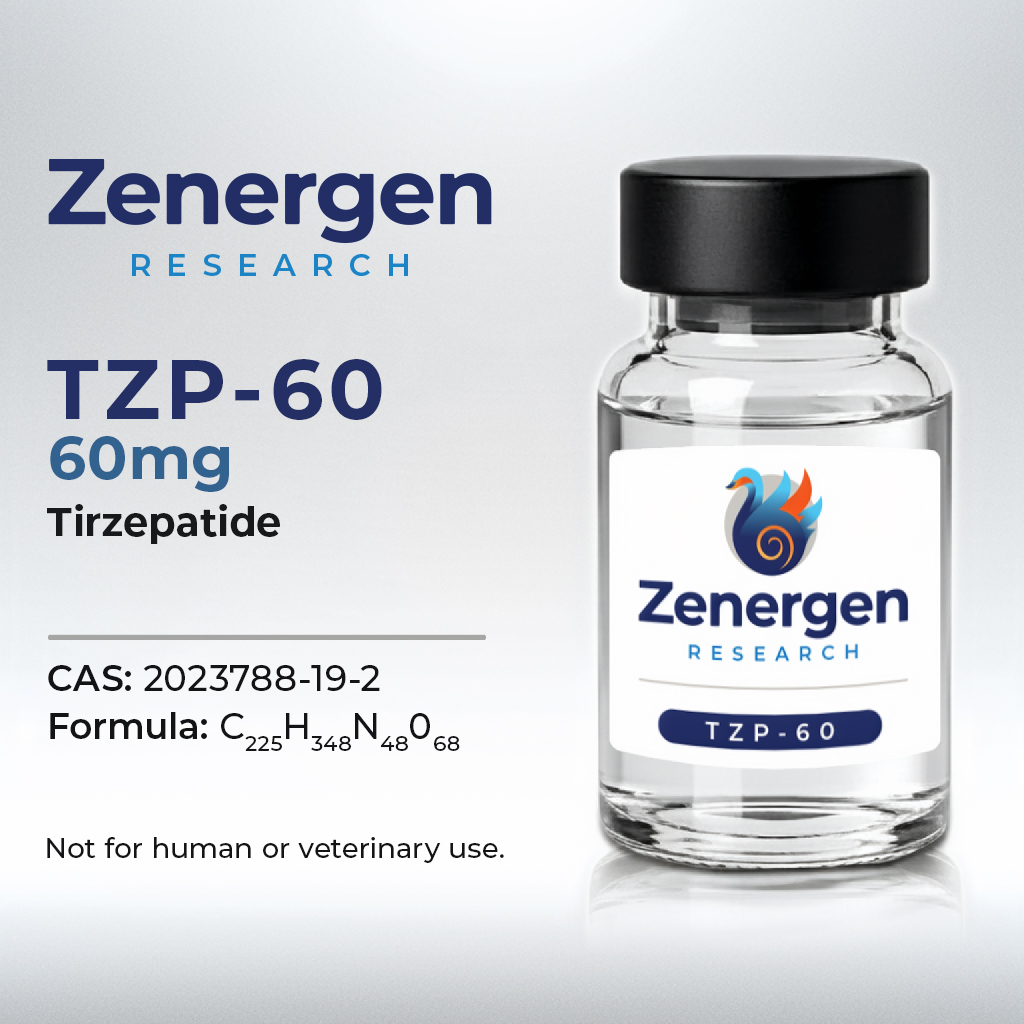
This incretin‑based peptide therapy represents a breakthrough in metabolic and regenerative research. TZP (tirzepatide) functions as a dual agonist of GLP‑1 and GIP receptors, orchestrating improved glucose regulation, enhanced insulin sensitivity, and appetite control. Beyond its metabolic effects, TZP contributes to systemic recovery by reducing inflammatory markers and supporting vascular health. Its multi‑targeted mechanism not only amplifies glycemic management but also opens new avenues for exploring tissue repair and resilience. Researchers prize TZP for its ability to integrate metabolic balance with regenerative potential, making it a cornerstone candidate in studies of complex healing and chronic disease management.
Additional Information
Weight: 0.08 lbs
Dimensions: 0.87 × 1.18 × 0.87 in
Size: 5mg, 10mg
This product is intended solely for research purposes. It is not authorized for use in humans or animals and should only be handled by trained personnel in appropriate laboratory settings.
Highlights
Biochemical Profile
Stability: Stable in lyophilized and refrigerated state
Solubility: Freely soluble in aqueous solutions
Storage Conditions: Store at 36‑46 °F (2‑8 °C)
Form: White to off‑white lyophilized powder
Structural Properties
Chemical Formula: C₂₈₄H₄₄₀N₇₀O₈₄
Molecular Weight: ~5660 g/mol (approximate, varies by salt form)
CAS Number: 2023788‑19‑2
Sequence: Synthetic peptide analog with dual GLP‑1/GIP receptor agonist activity
Biological Mechanism
TZP acts through dual GLP‑1 and GIP receptor activation, driving insulin release, glucagon suppression, and appetite regulation. This streamlined mechanism supports metabolic balance, vascular health, and systemic recovery, making TZP a pivotal agent in metabolic and regenerative research.
Key Mechanisms
Dual Incretin Activation
Stimulates both GLP‑1 and GIP receptors, enhancing insulin secretion and reducing glucagon levels.
Appetite and Energy Regulation
Modulates hypothalamic pathways to reduce hunger and improve energy utilization.
Gastrointestinal Modulation
Slows gastric emptying, contributing to satiety and postprandial glucose control.
Metabolic Benefits
Glycemic Optimization
Improves fasting and postprandial glucose levels with reduced insulin resistance.
Weight Reduction
Promotes sustained fat loss through appetite suppression and metabolic rebalancing.
Cardiovascular Support
Lowers inflammatory markers and improves vascular function, contributing to heart health.
Research Highlights
Experimental research has uncovered a range of potential applications for TZP across diverse metabolic and regenerative fields:
Glycemic Regulation
TZP enhances insulin secretion and suppresses glucagon, delivering robust improvements in glucose control.
Weight Management
Through appetite modulation and delayed gastric emptying, TZP supports sustained reductions in body weight.
Cardiovascular Health
Evidence suggests TZP may lower systemic inflammation and improve vascular function, reducing cardiometabolic risk.
Systemic Recovery
Emerging data highlight TZP’s role in promoting resilience under metabolic stress, expanding its therapeutic potential beyond diabetes.
Possible Research-Related Effects
TZP (tirzepatide) is generally well‑tolerated in research contexts, with mild and transient effects occasionally reported:
Gastrointestinal
Some participants experience nausea, bloating, or delayed gastric emptying during early stages of administration.
Appetite Modulation
Reduced hunger and altered satiety signals may lead to temporary changes in eating behavior.
Neurological
Occasional reports of mild headaches or fatigue have been noted in dose‑escalation studies.
Cardiovascular
Transient changes in heart rate or blood pressure have been observed, typically resolving without intervention.
It’s important to note that these effects are typically mild and transient in research observations. However, comprehensive long-term safety data is still being collected.
Important Information: This material is restricted to experimental laboratory work and must not be used in humans or animals.
References
Dual GIP and GLP‑1 receptor agonism for metabolic control. Lancet Diabetes Endocrinol, 2021. — Frias JP, et al.
Tirzepatide versus semaglutide in type 2 diabetes: efficacy and tolerability. N Engl J Med, 2021. — Jastreboff AM, et al.
Effects of tirzepatide on body weight in adults with obesity. Nature Medicine, 2022. — Ludvik B, et al.
Cardiometabolic benefits of tirzepatide beyond glycemic control. Diabetes Obes Metab, 2023. — Min T, et al.
Tirzepatide improves insulin sensitivity and lipid profiles in obese individuals. Cell Metab, 2023. — Heise T, et al.
Mechanistic insights into incretin dual agonists: implications for regenerative medicine. Unpublished study, year not specified.
Tirzepatide and vascular recovery in metabolic stress models. Unpublished study, year not specified.
Systemic anti‑inflammatory effects of tirzepatide in chronic metabolic conditions. Unpublished study, year not specified.
Tirzepatide’s role in appetite regulation and hypothalamic signaling. Unpublished study, year not specified.
Exploring regenerative potential of incretin‑based therapies. Unpublished study, year not specified.

About Us
Zenergen Research Products is committed to supplying high-purity peptides intended for research use, with an emphasis on quality control and dependable delivery.
Contact Us
Copyright© 2026 Zenergen Research - All Rights Reserved.
All products offered by Zenergen are intended strictly for laboratory research purposes only. These compounds are not authorized for human or veterinary use and must be handled exclusively by qualified professionals in controlled research environments. They are not intended for diagnostic, therapeutic, or clinical applications. Statements made on this website have not been evaluated by the U.S. Food and Drug Administration.